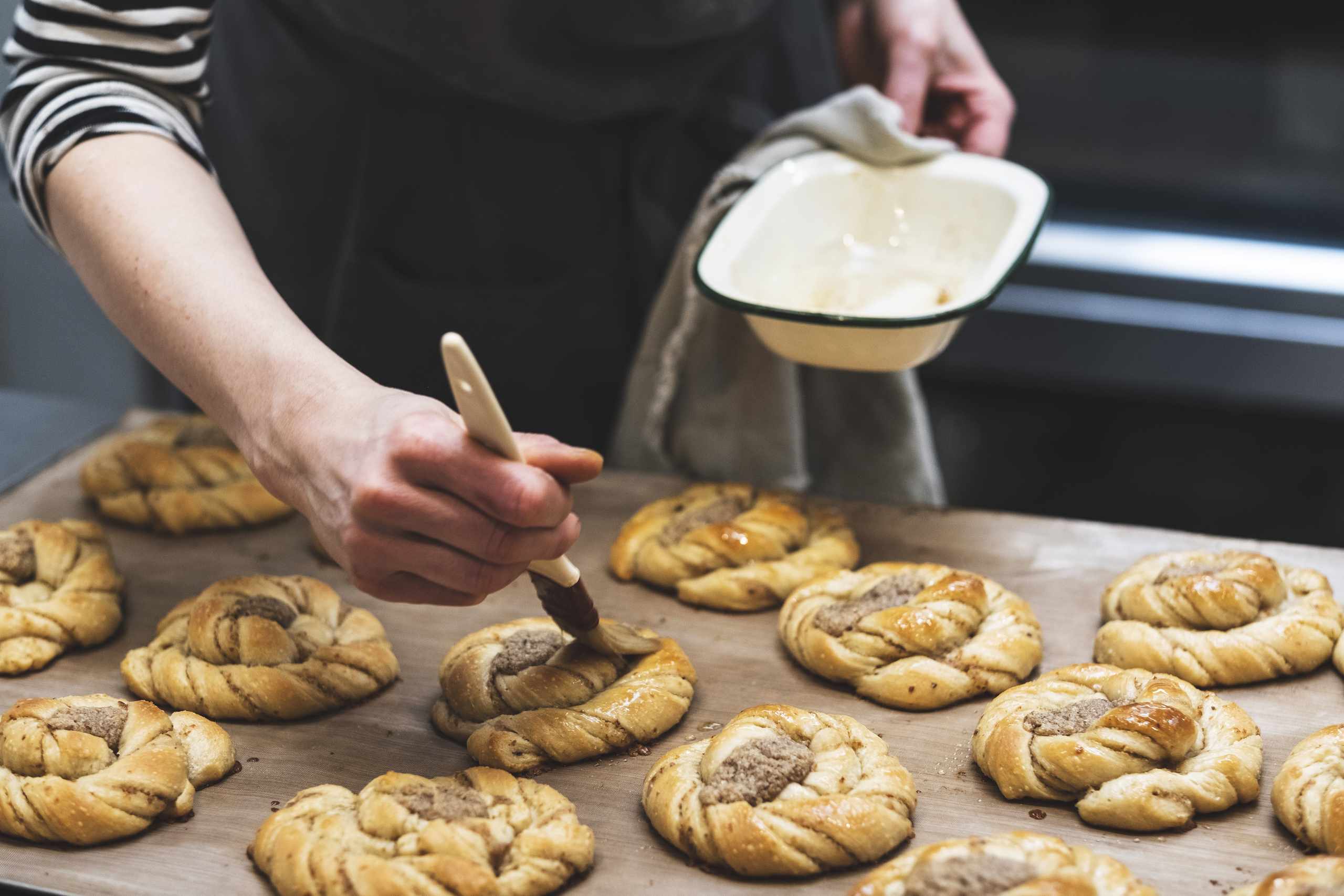
Bake Sweets With Calmer Steps
SweetHarmony Course helps beginners practice confectionery basics through careful weighing, mixing, baking, cooling, filling, and decorating for simple home desserts.
What Practice Covers
Work through the small checks that make cakes, creams, and decorations easier to repeat.
Measured Ingredients
Practice using a digital scale, measuring spoons, and prepared bowls so flour, sugar, eggs, and cream go in with fewer guesses.
Texture Checks
Learn to notice batter thickness, whipped cream softness, frosting stiffness, and dough feel before moving to the next recipe step.
Simple Finishing
Use piping bags, nozzles, spatulas, and scrapers to practice borders, filling layers, and tidy beginner decoration.
Practice Notes For Home Bakers
Read beginner-friendly articles on sponge cakes, creams, frosting, tools, and baking habits.
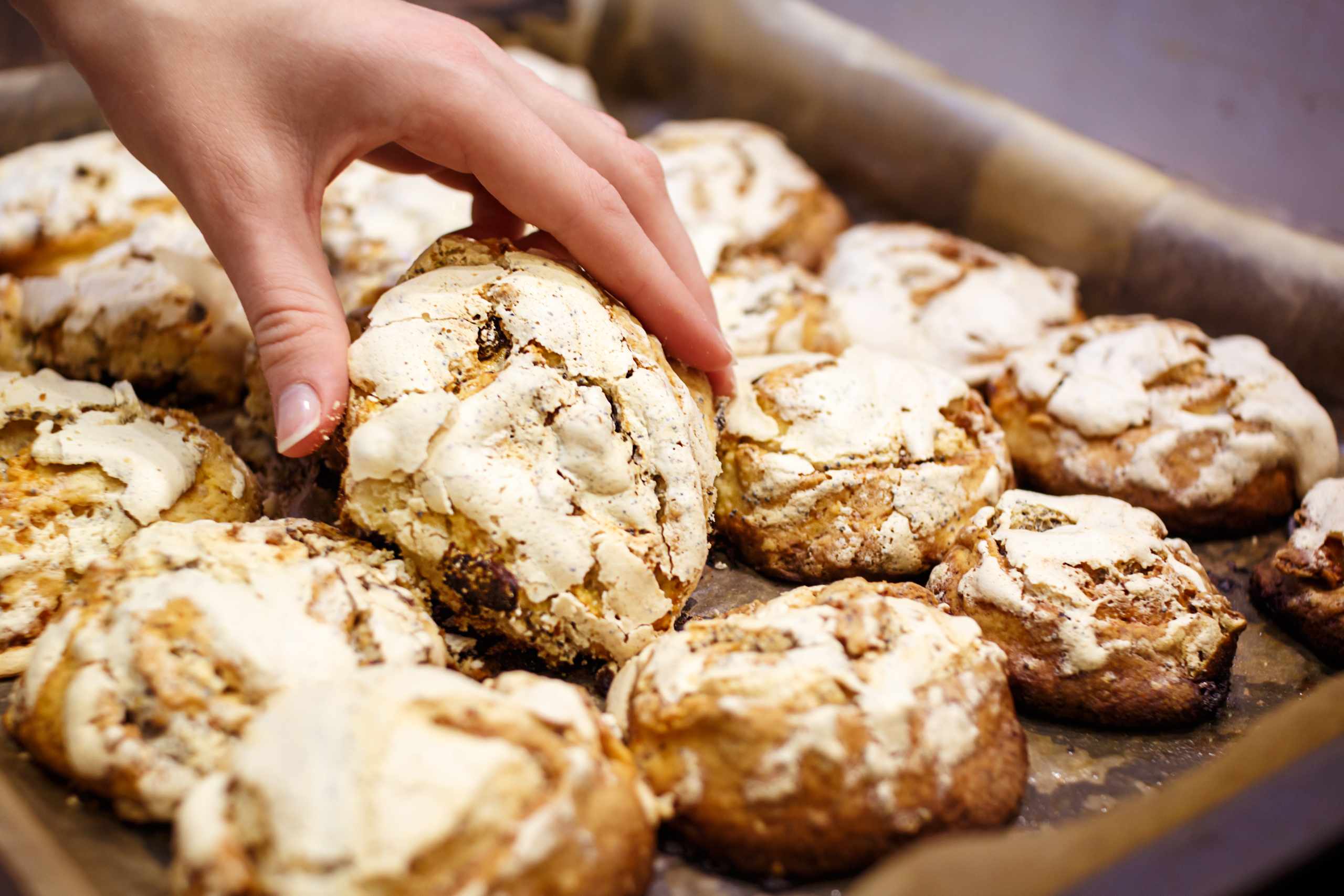
Before Mixing
Articles explain how to read a recipe, set out bowls and pans, weigh ingredients, and avoid starting with a messy work surface.
During Baking
Notes cover oven temperature, cake rise, crumb signs, cooling racks, and why opening the oven too early can spoil a sponge.
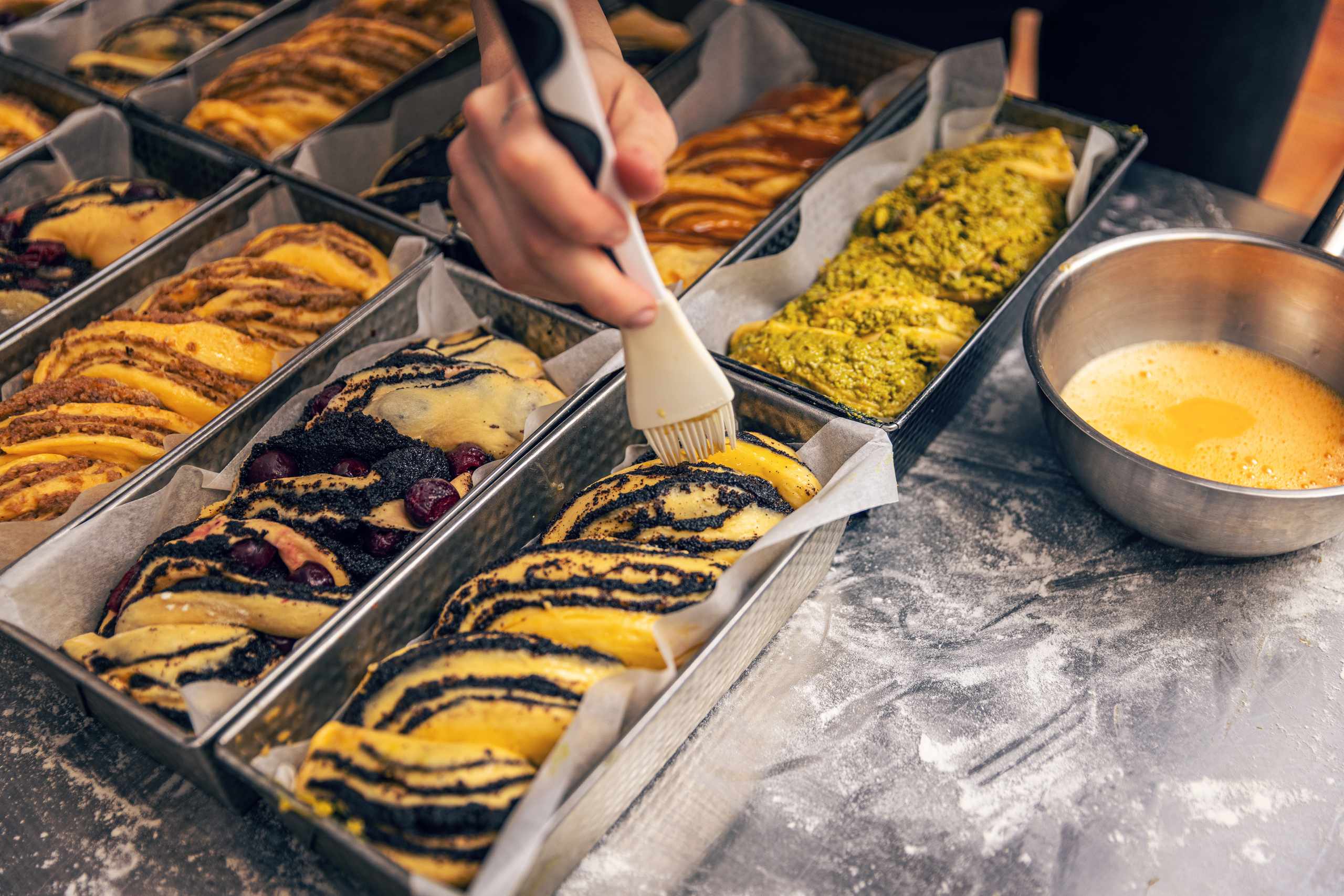
After Cooling
Guides show what to watch when trimming layers, filling, checking frosting texture, and piping decoration on parchment first.
Dessert Basics Without Rushing
The course approach keeps attention on the small actions that shape a dessert: weighing accurately, mixing at the right moment, watching texture, and giving cakes enough time to cool before filling.
Instead of chasing difficult showpieces first, practice starts with useful home-baking habits such as checking sponge batter, whipping cream in stages, smoothing frosting, and recording what changed after each bake.
Ask About First Desserts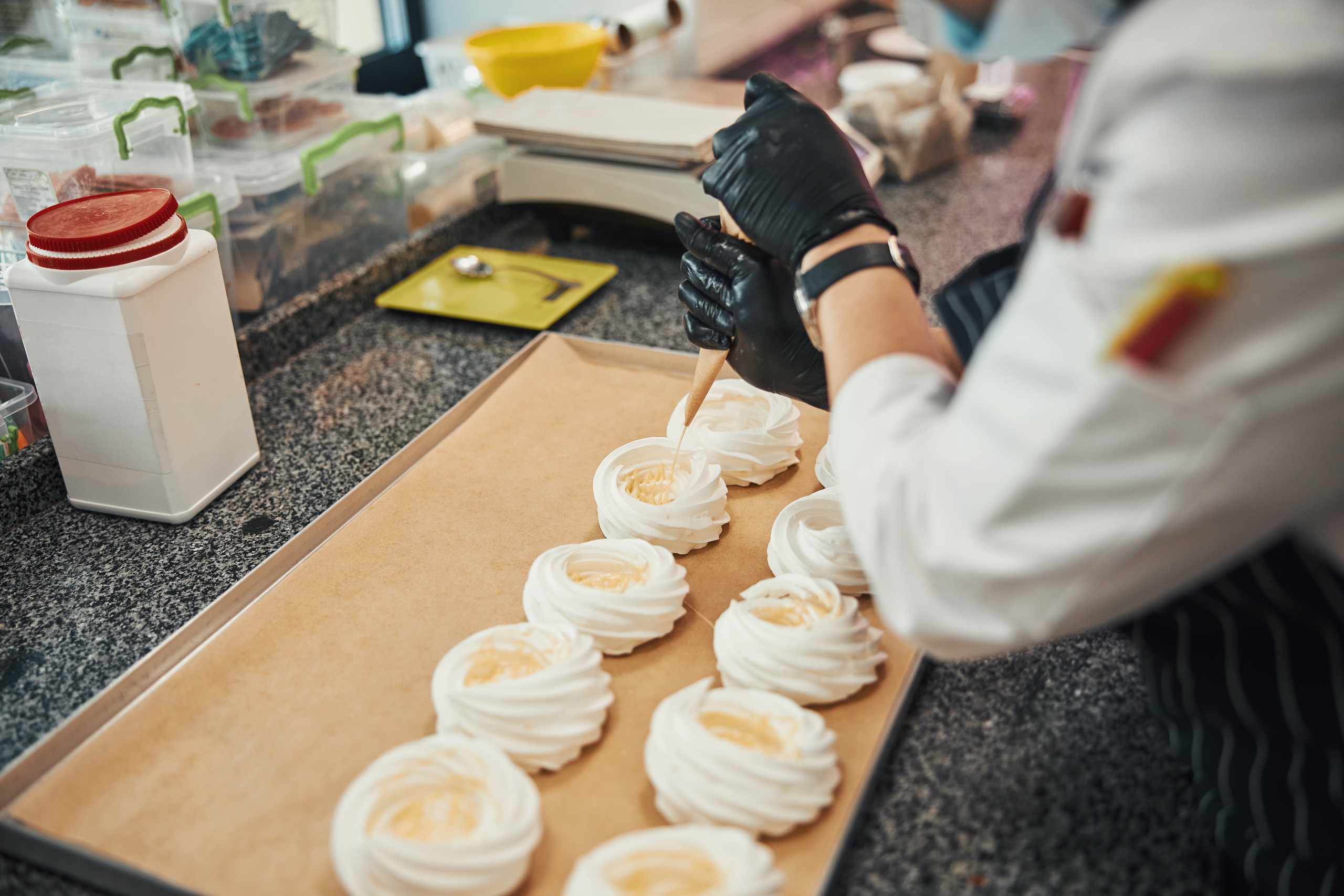
Build Useful Kitchen Habits
Each part of practice focuses on one visible detail beginners can check and repeat.
Weigh First
Prepare ingredients before the mixer starts so the recipe feels less chaotic and measurement mistakes are easier to catch.
Watch Texture
Pause during folding, whipping, melting, and smoothing to see whether the mixture is ready for the next step.
Record Results
Write down oven time, cooling time, crumb, filling thickness, and decoration so the next attempt has a clearer starting point.
Words From Learners
I used to guess when a batter was ready and then wonder why the cake felt dense. Practicing texture checks and cooling time made each step feel easier to understand.
The piping exercises on parchment helped with decorating a cake. I also started weighing ingredients properly instead of adjusting everything by eye.